🇬🇵️ SONOKAR 2023-2024
The SONOKAR project is part of the mission of studying and monitoring water resources, aquatic and coastal environments, and their uses, carried out by the Office de l'Eau de Guadeloupe (ODE) within the framework of the 3rd multi-annual intervention program.
The goals of the SONOKAR project are to:
- Characterize the spatial and temporal dynamics of Guadeloupe's reefs to identify critical areas and periods of marine fauna activity
- Quantify human pressures and observe biological responses
- Study the resilience of these reefs to climate change
The implementation of passive acoustic monitoring aims to allow conservation stakeholders to optimize the management measures implemented and regularly evaluate their effectiveness.
In the specific case of the ODE, we intend passive acoustic monitoring to enhance its operational capacities to implement the European Water Framework Directive (WFD).
continuously monitored sites over 1 year
continuously monitored sites over 24 hours
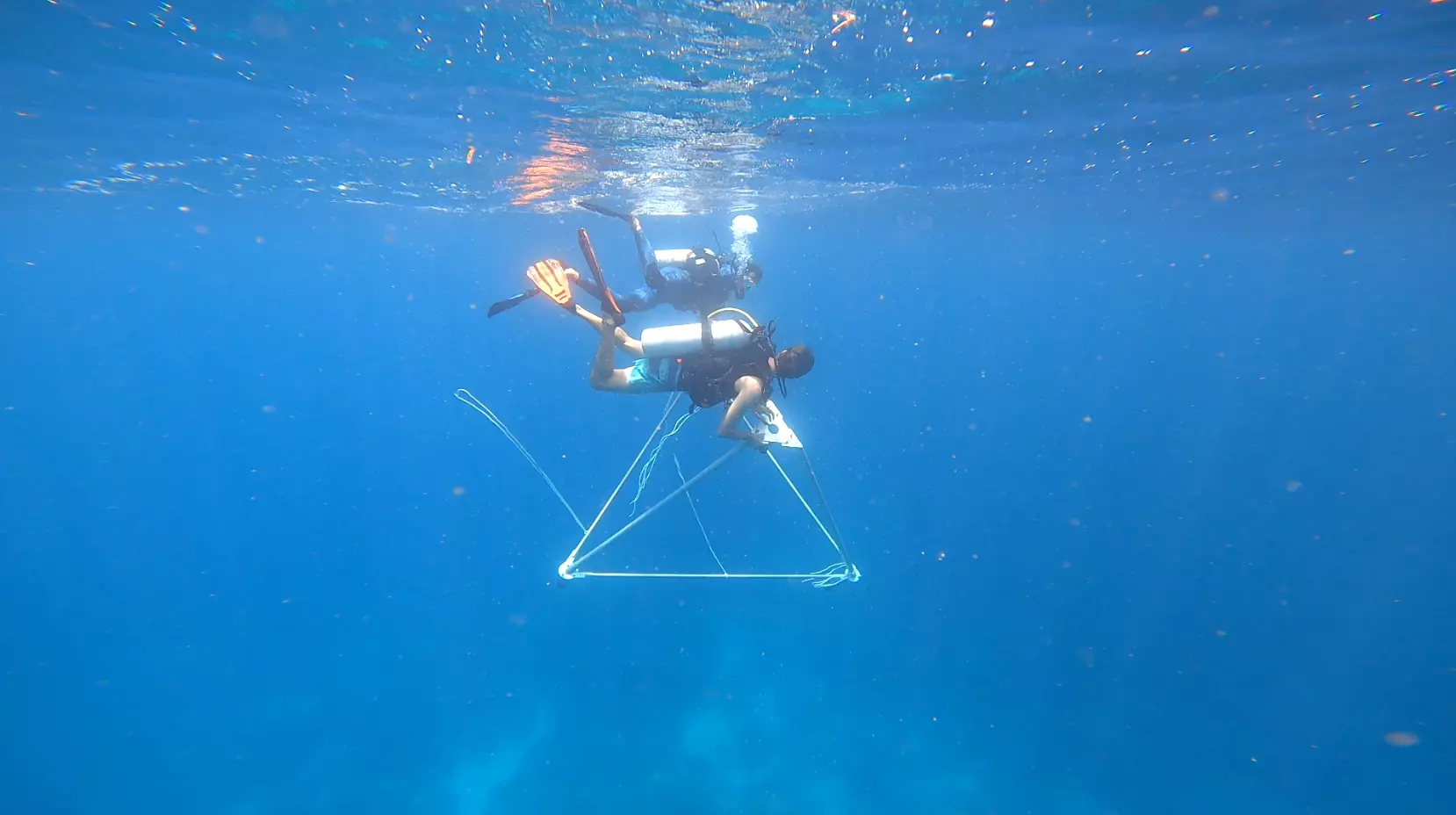
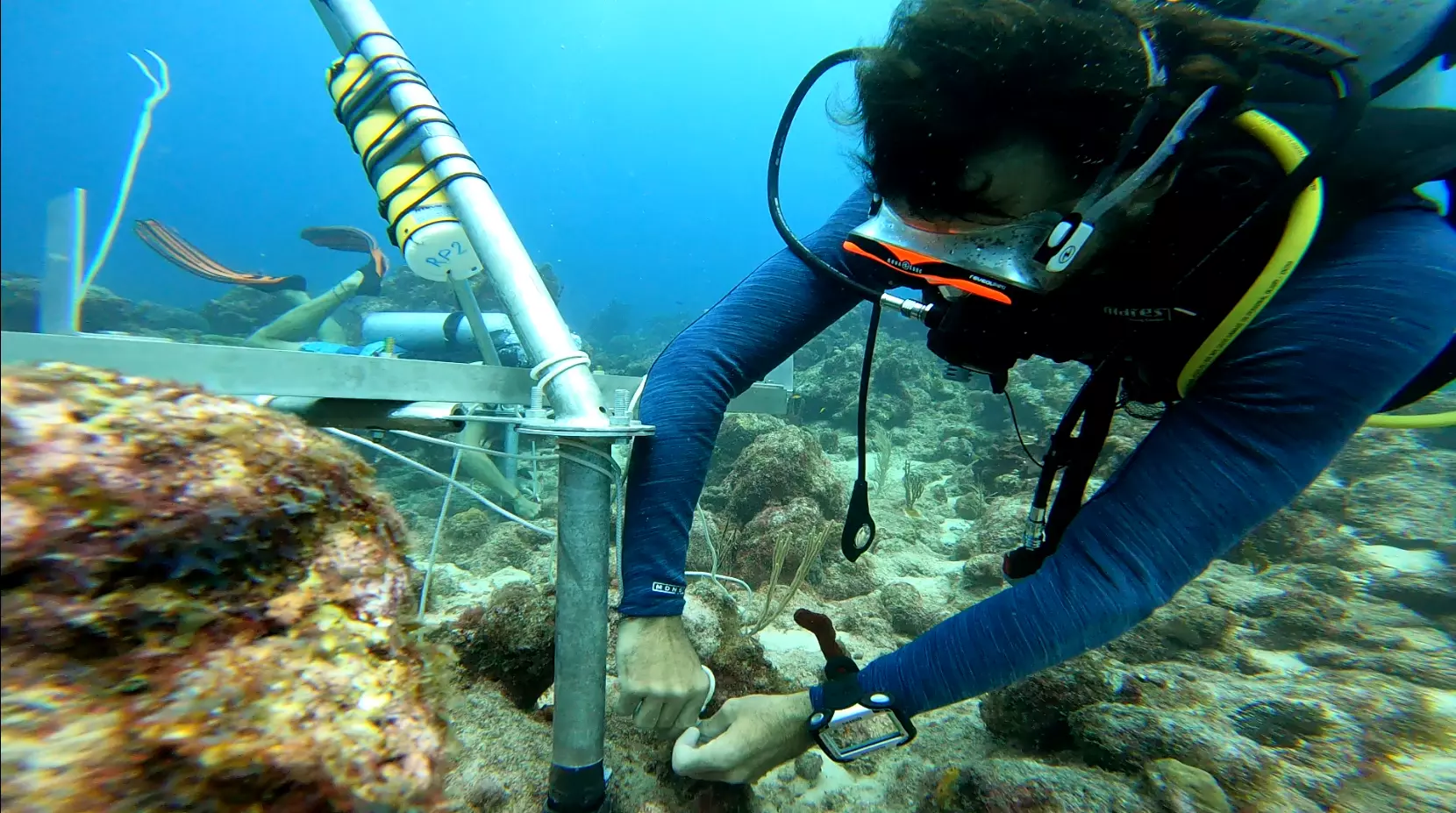
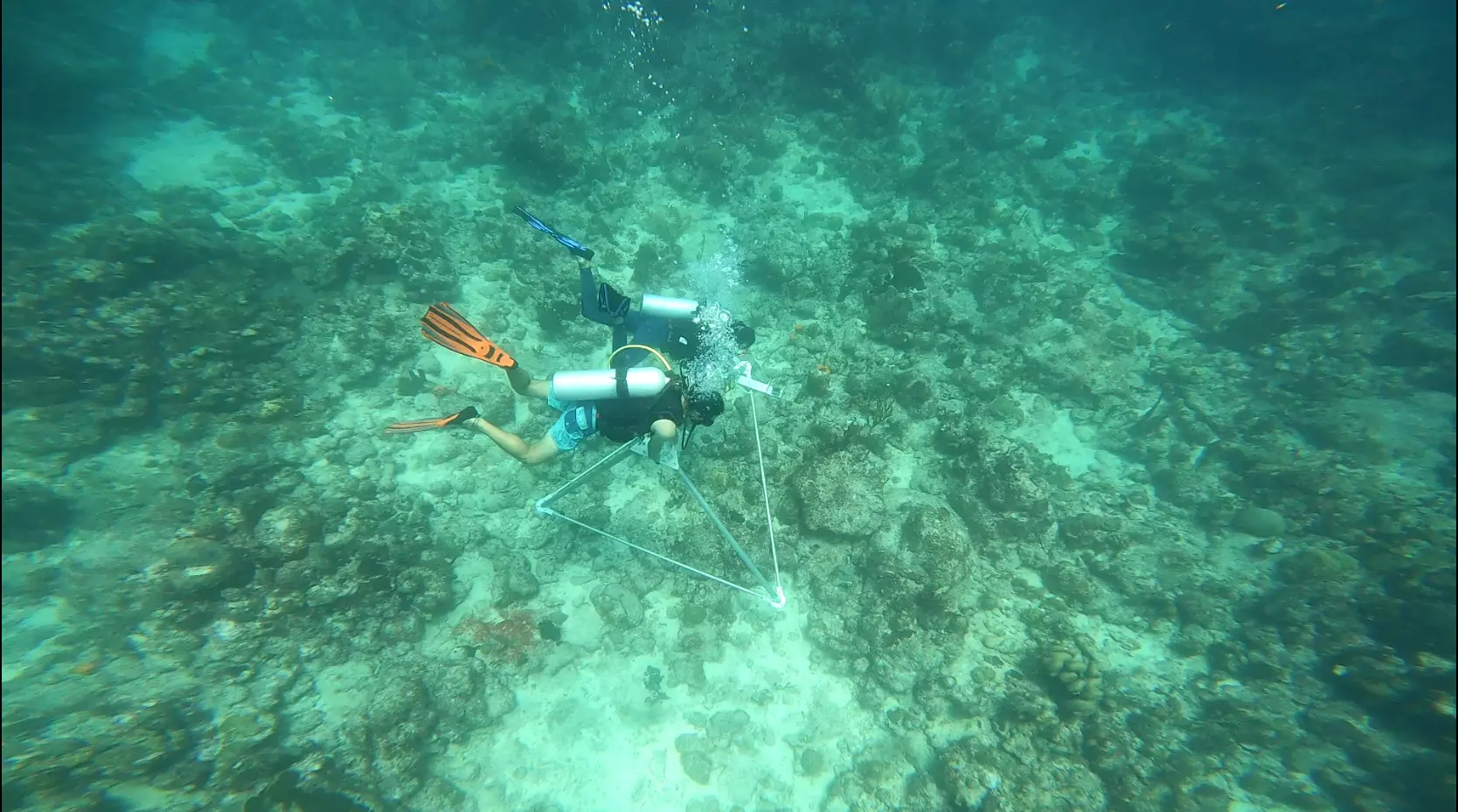
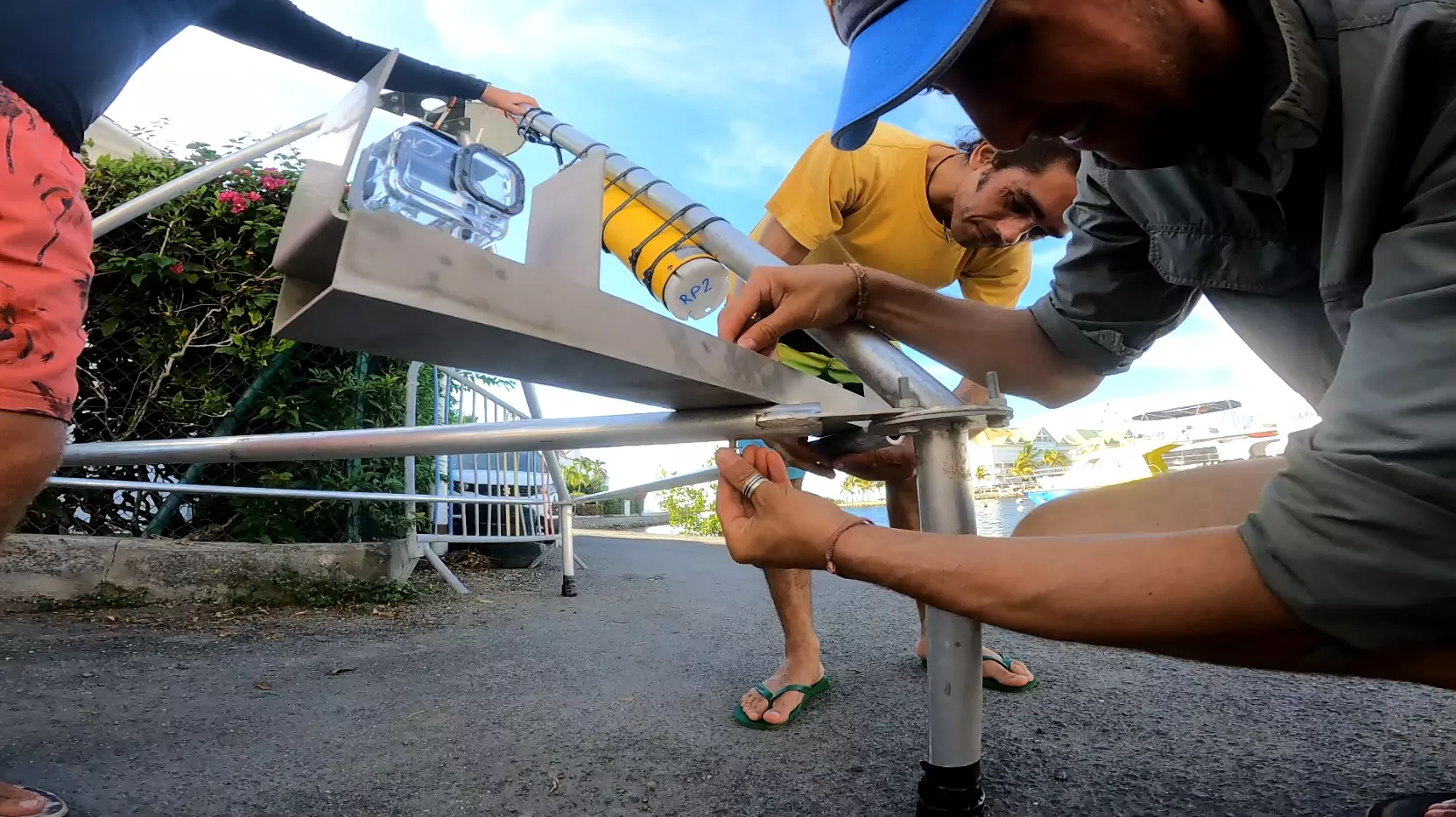
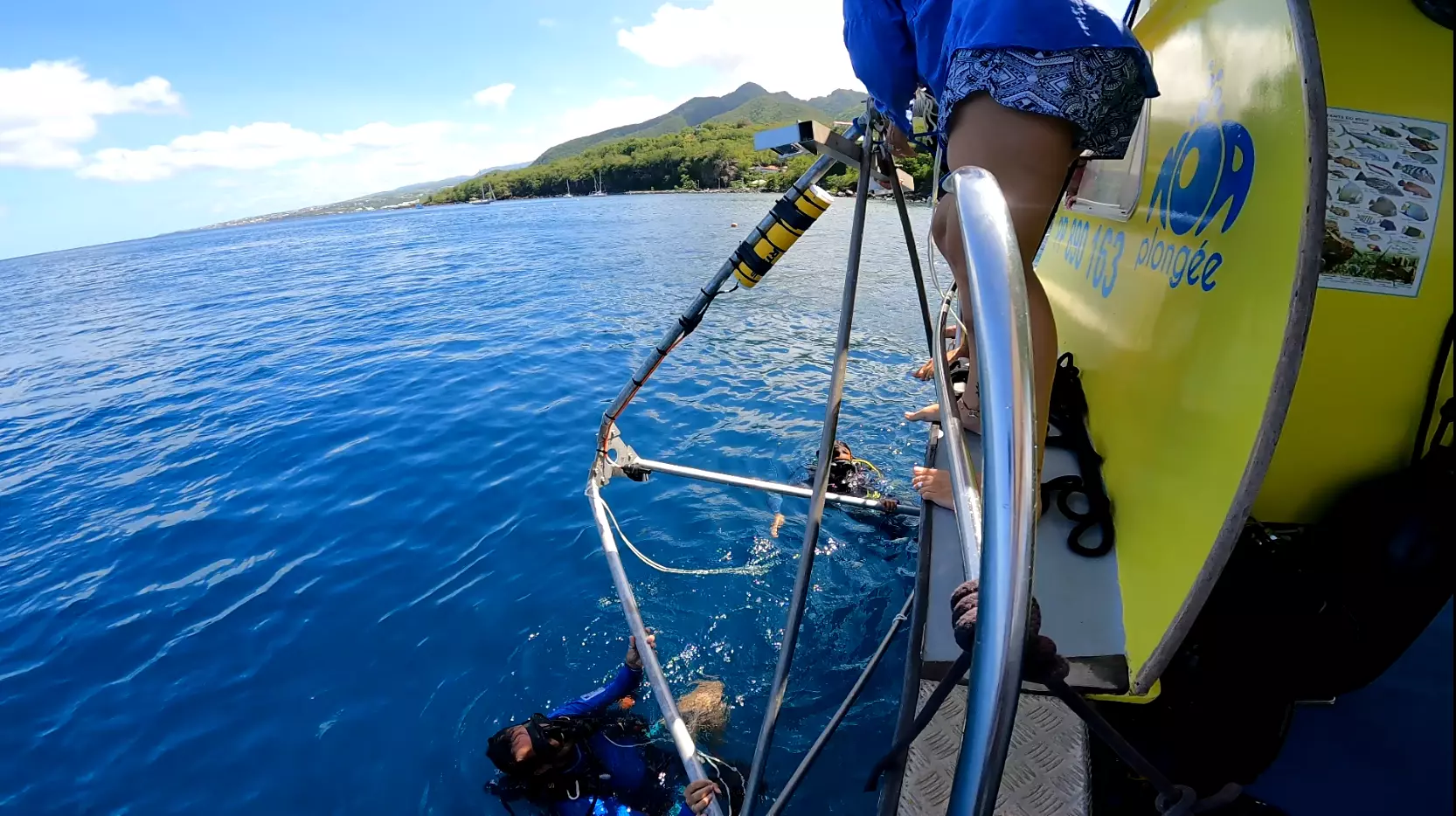
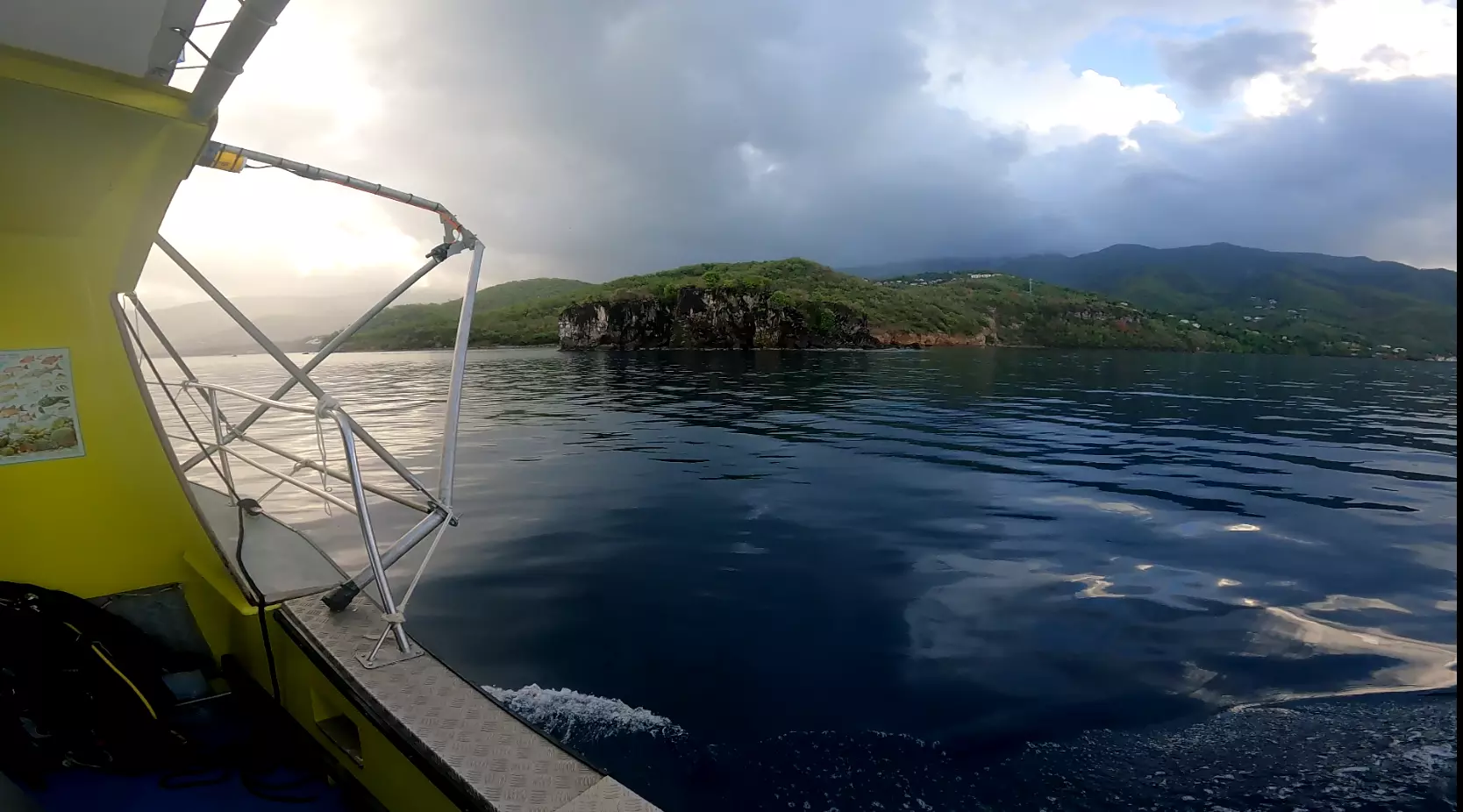
The mission in pictures
Partners and sponsors