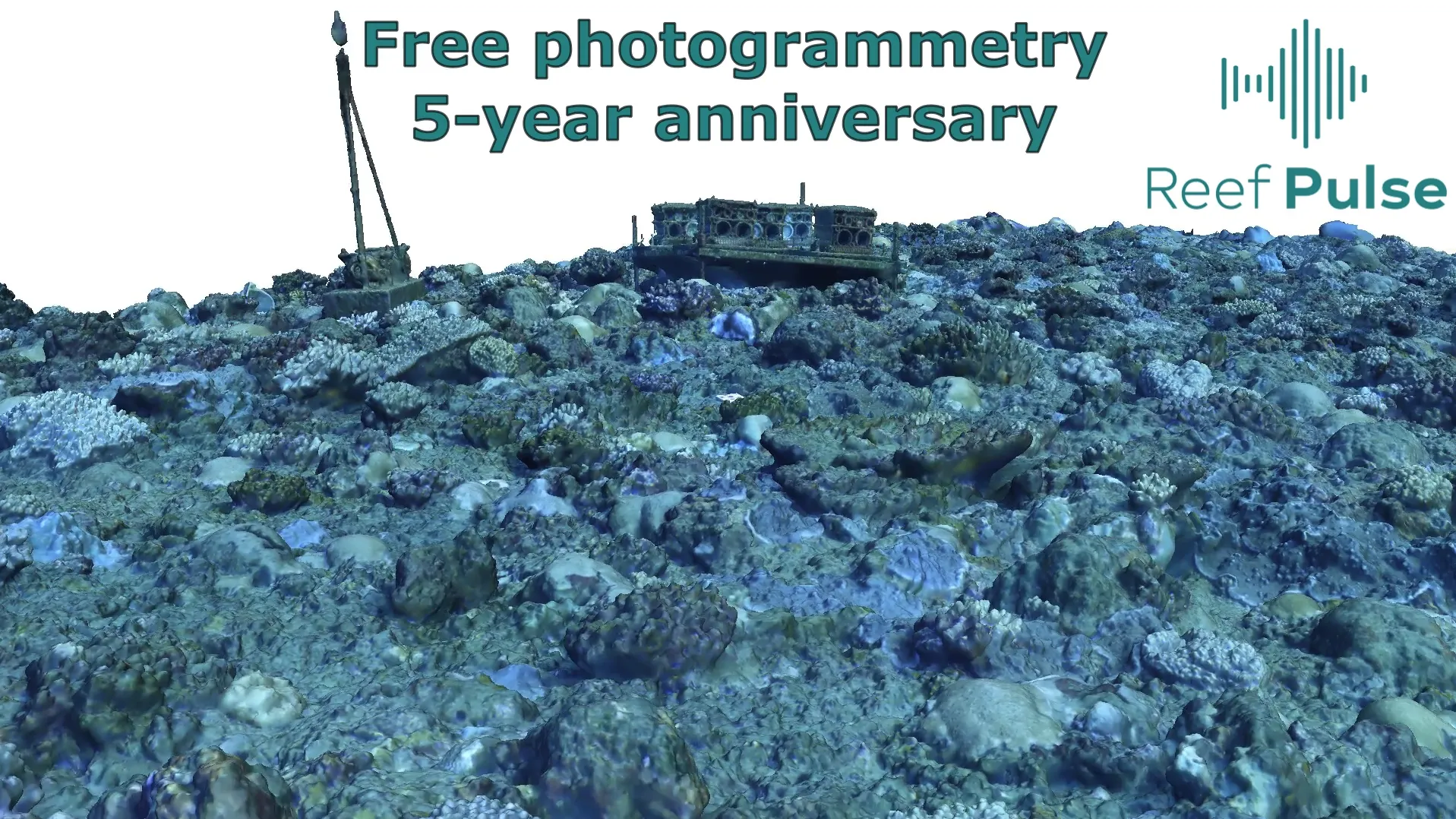
Live coral cover has historically been assessed worldwide using transects (Loya 1972) and quadrats (English, Wilkinson, and Baker 1997), which do not take into account the 3D structure of coral reefs (Urbina-Barreto et al. 2021). However, major ecological processes in reef ecosystems are determined by habitat complexity, and its loss is one of the most reliable indicators of reef degradation (Graham and Nash 2013; Fukunaga and Burns 2020).
📸 Photogrammetry overcomes this shortage by generating a 3D digital twin from underwater pictures (Westoby et al. 2012; Bayley and Mogg 2020). The major ecological processes of a coral reef are determined by this habitat complexity (Fukunaga and Burns 2020), which can only be assessed through photogrammetry.
Photogrammetry is standardised and therefore enables the long-term monitoring of changes in the 3D structure of reefs and the detection of losses or gains in complexity over time (Ferrari et al. 2017).
At Reef Pulse, we scale up marine ecosystem monitoring to rapidly address ongoing climate change. Our photogrammetry protocol is based on NOAA guidelines and allows us to cover more than 100 m² of coral reefs with only one camera during a 1-hour dive.
🎉 Our September deal celebrates our 5-year anniversary! We offer free photogrammetry reconstruction and analysis for all contracts signed in September to acoustically monitor or restore coral reefs with our solutions.
Interested? We are happy to help contact@reef-pulse.com. Terms and conditions apply.
🎶 The soundtrack features fish and marine mammal sounds we’ve recorded in the 3 oceans.
Post on LinkedIn, Instagram, Facebook, and BlueSky.
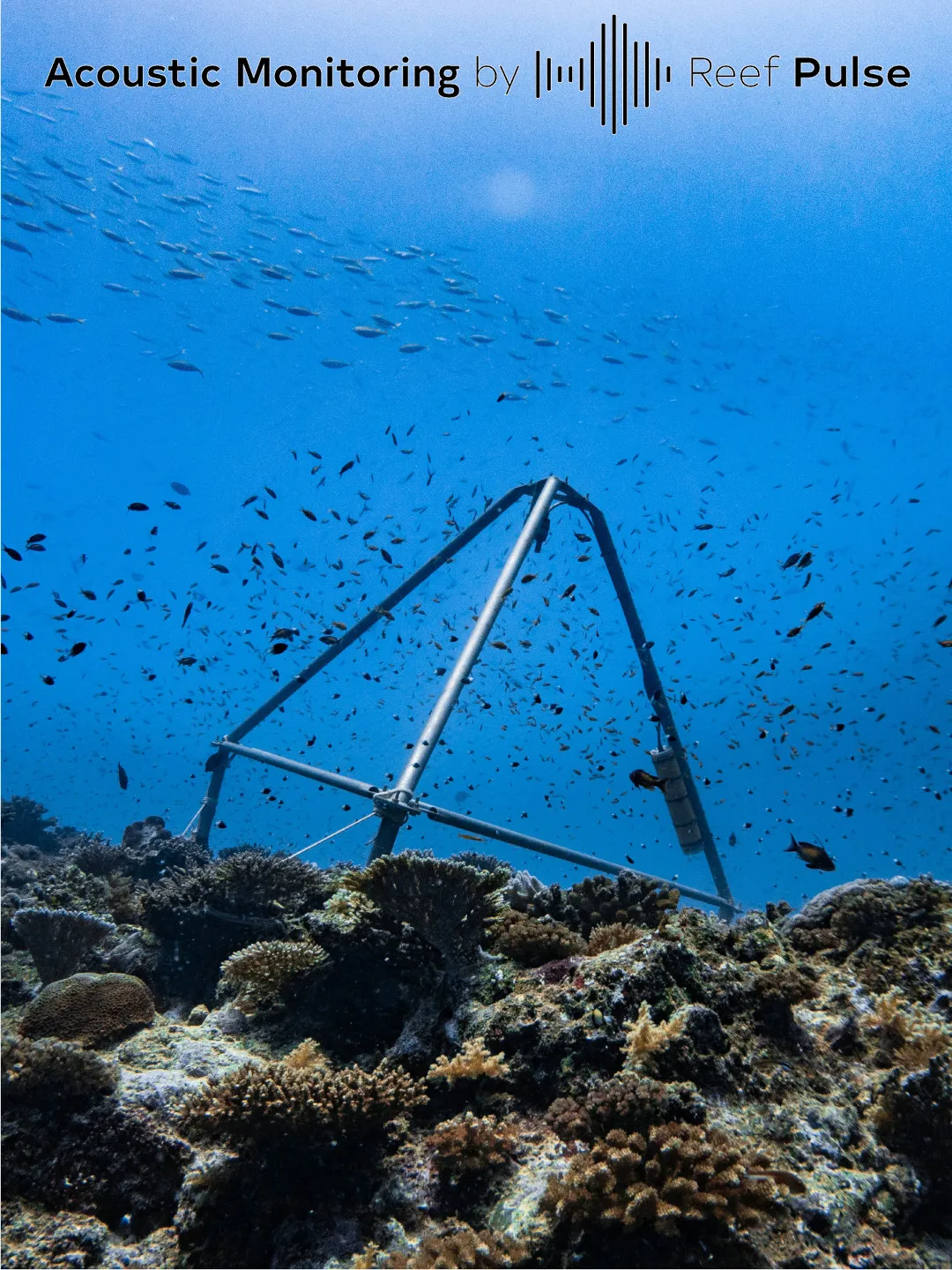
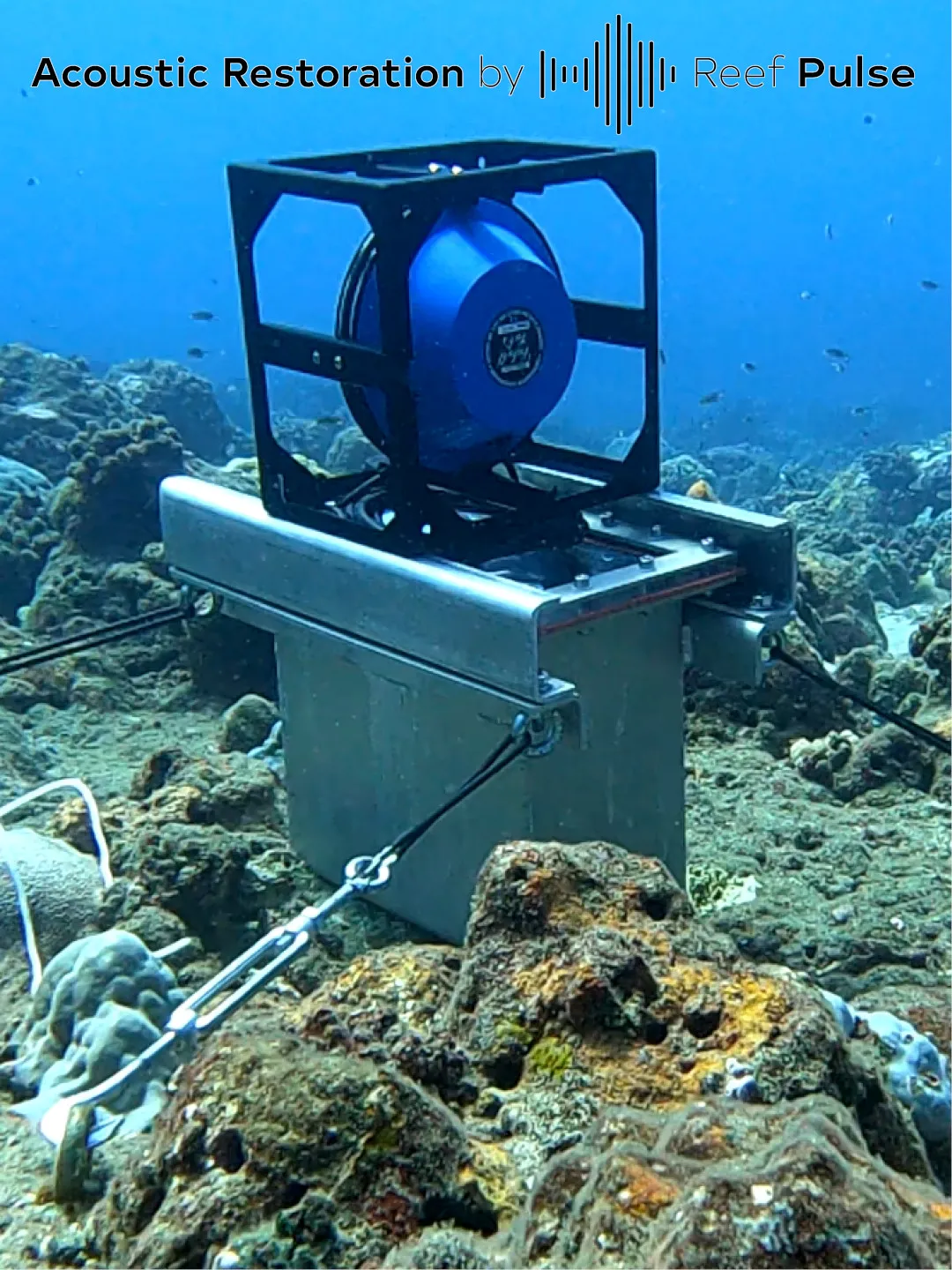
In September, we celebrate Reef Pulse 5-year anniversary in pushing the boundaries of Passive Acoustic Monitoring (PAM) and acoustic restoration of coral reefs globally.
At Reef Pulse, we have recorded underwater sounds for more than 180 coral reef sites in 3 oceans. This represents more than 70 years of recordings stored on hundreds of Terabytes of data backed up on two continents. We can hear parrotfish grazing, groupers growling, whales vocalising, boats passing by, shoaling movements, and tens of underwater events that our algorithms can detect. Each output from PAM data analysis is a crucial asset to management decisions (species reintroduction, temporary no-go zone around grouper spawning grounds, boat speed limit adjustments to decrease impact on marine life, …). We work alongside stakeholders of marine environment to save them time and money while upscaling their capacity for conserving coral reefs. Coral reefs are endangered and 90% could disappear by 2050, but 50% are already lost in some areas. Yet, coral reefs provide to more than 1 billion people in the world services like coastal protection, tourism, fisheries. There is urgency to act now.
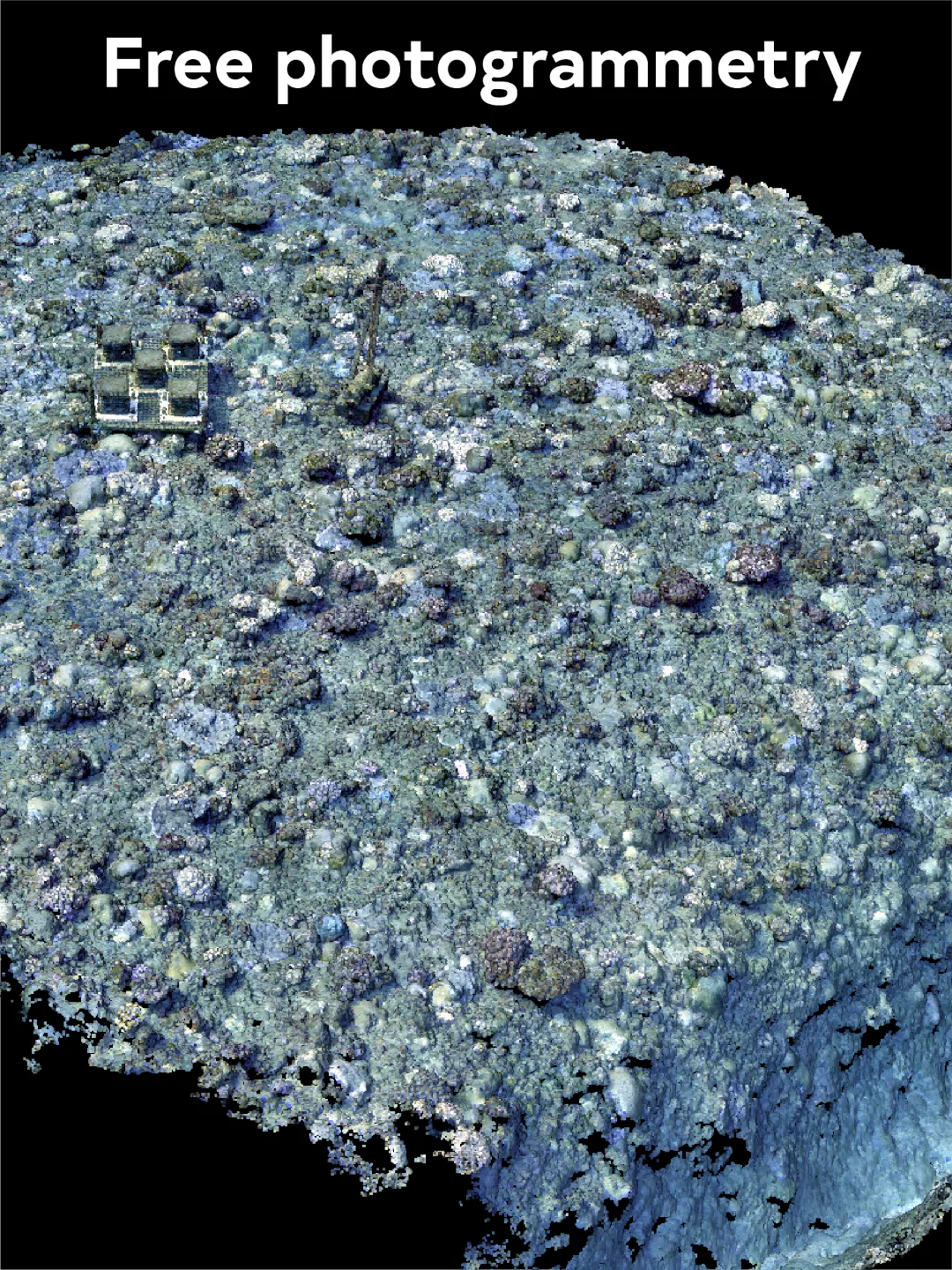
PAM is a terrific method to help upscale coral reef monitoring because it is standardised, non-intrusive, objective, and continuous. However, PAM has a dead angle: the coral itself. It’s like monitoring everything in a forest but the trees. Photogrammetry is the perfect complementary tool to PAM. With a simple picture taking procedure, we can cover more than 100m² in 1 hour. The 3D reconstructions provide the size, shape, growth, erosion degree, recovery, rugosity, and many other metrics of each colony over time.
At Reef Pulse, we've been committed to the preservation and restoration of marine ecosystems for five years, and we want to celebrate this anniversary with those who share the same commitment. That’s why we’re offering photogrammetry reconstruction and analysis for each contract signed in September to acoustically monitor or restore coral reefs with our solutions.
Terms and conditions apply, reach out to us to know more.
Post on LinkedIn, Instagram, Facebook, and BlueSky.
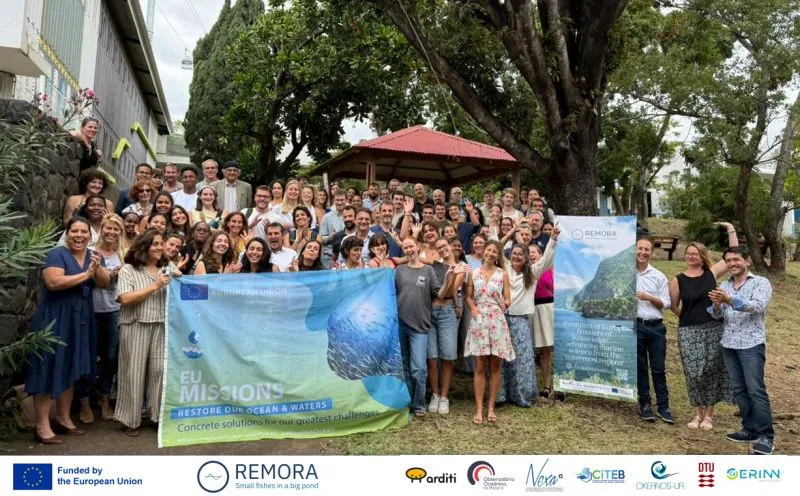
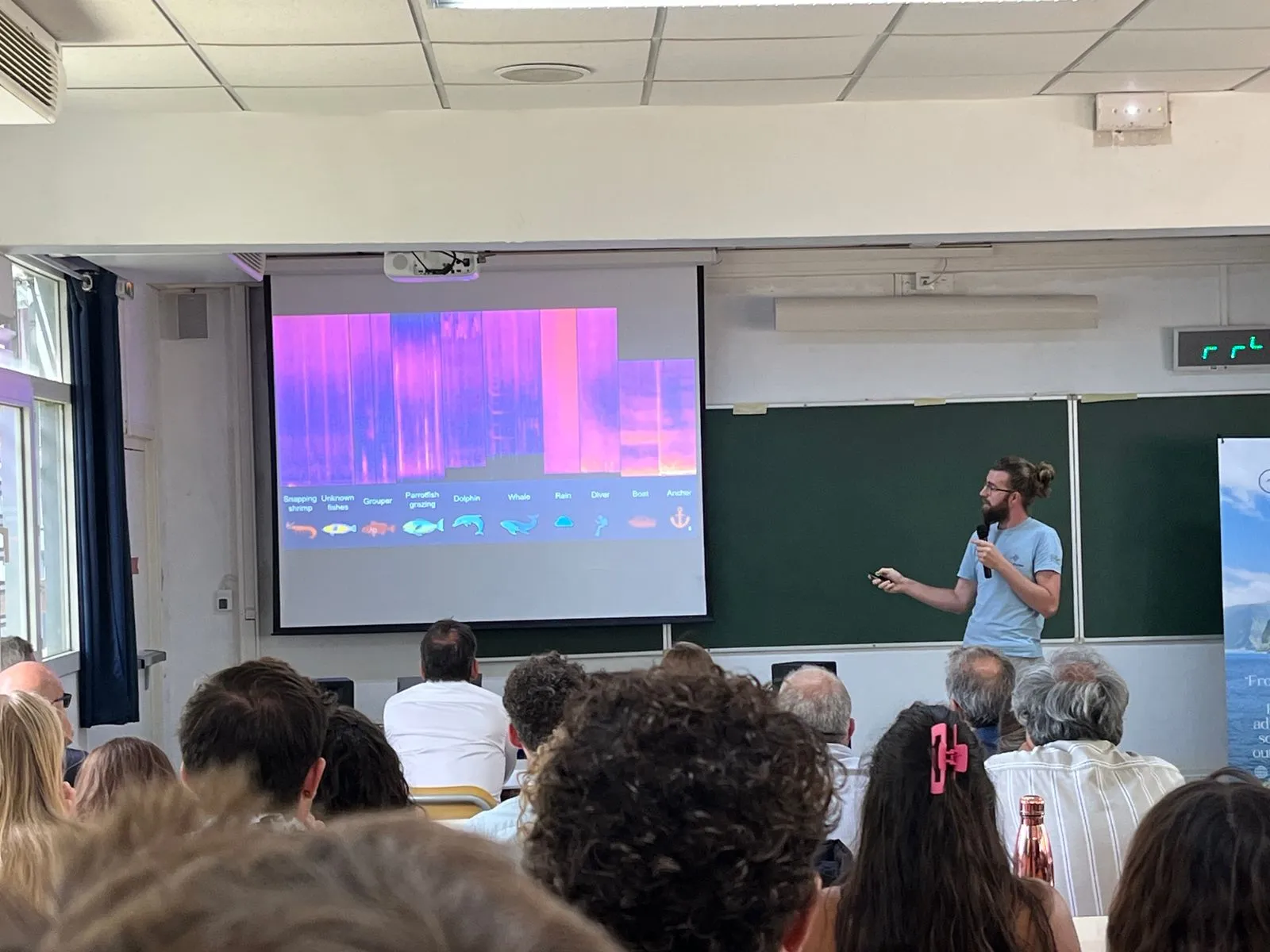
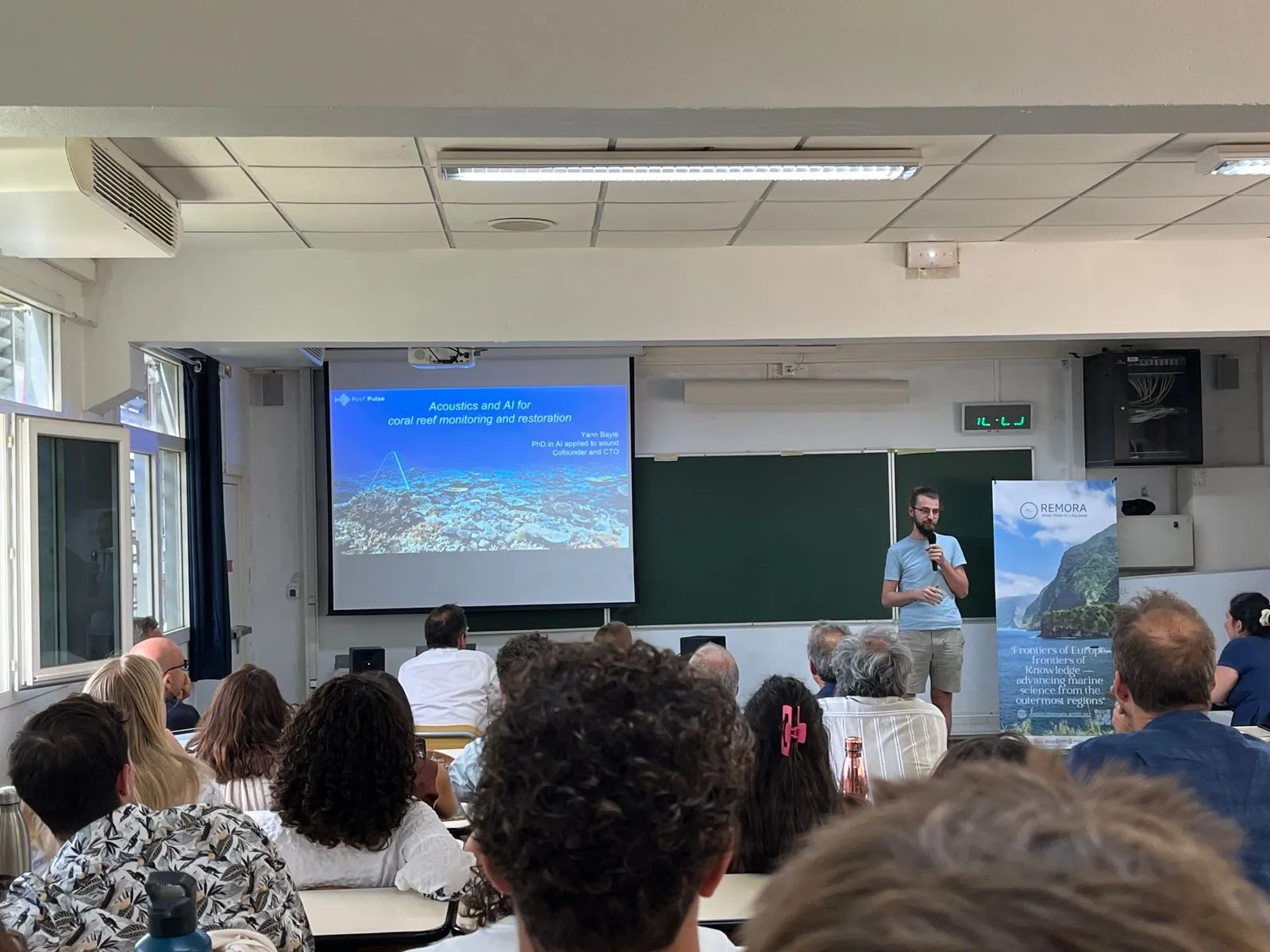
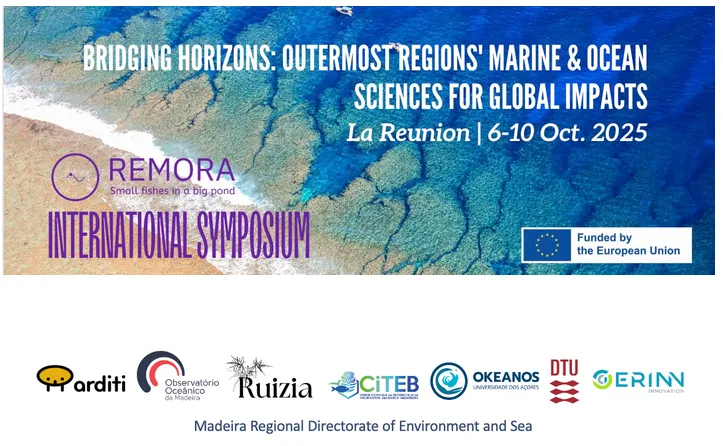
I've broadcasted underwater sounds at the REMORA Symposium today! 🪸🐠🦐🐋
🎶 I like to introduce my talks with what we're dealing with everyday: nice sounds coming from a variety of species. Grouper's vocalization, Parrotfish's grazing, Snapping shrimps, Rain,… Analyzing these sounds is what I like the most in what we' re doing at Reef Pulse!We monitor and restore coral reefs using acoustics and AI: thus recordings are at the heart of our work.
🤝 The 1 st International Symposium on boosting OutermostRegions participation in Marine Research in HorizonEU engaged students, researchers, and industrials in the BlueEconomy.
🇷🇪It was a pleasure to find back old friends,to share expertise with peers and to foster ideas in the new generation of scientists and entrepreneurs. See you next year!
🖼️ Thanks to Florence Ecormier-Nocca and Julien Dautel for the pictures!
🏗️ Thanks to Evelyne TARNUS, Julie Cochard, Alina Tunin, Ruizia, Citeb, ENTROPIE, and Université de La Réunion for the smooth organisation!
Post on LinkedIn, Instagram, and BlueSky.
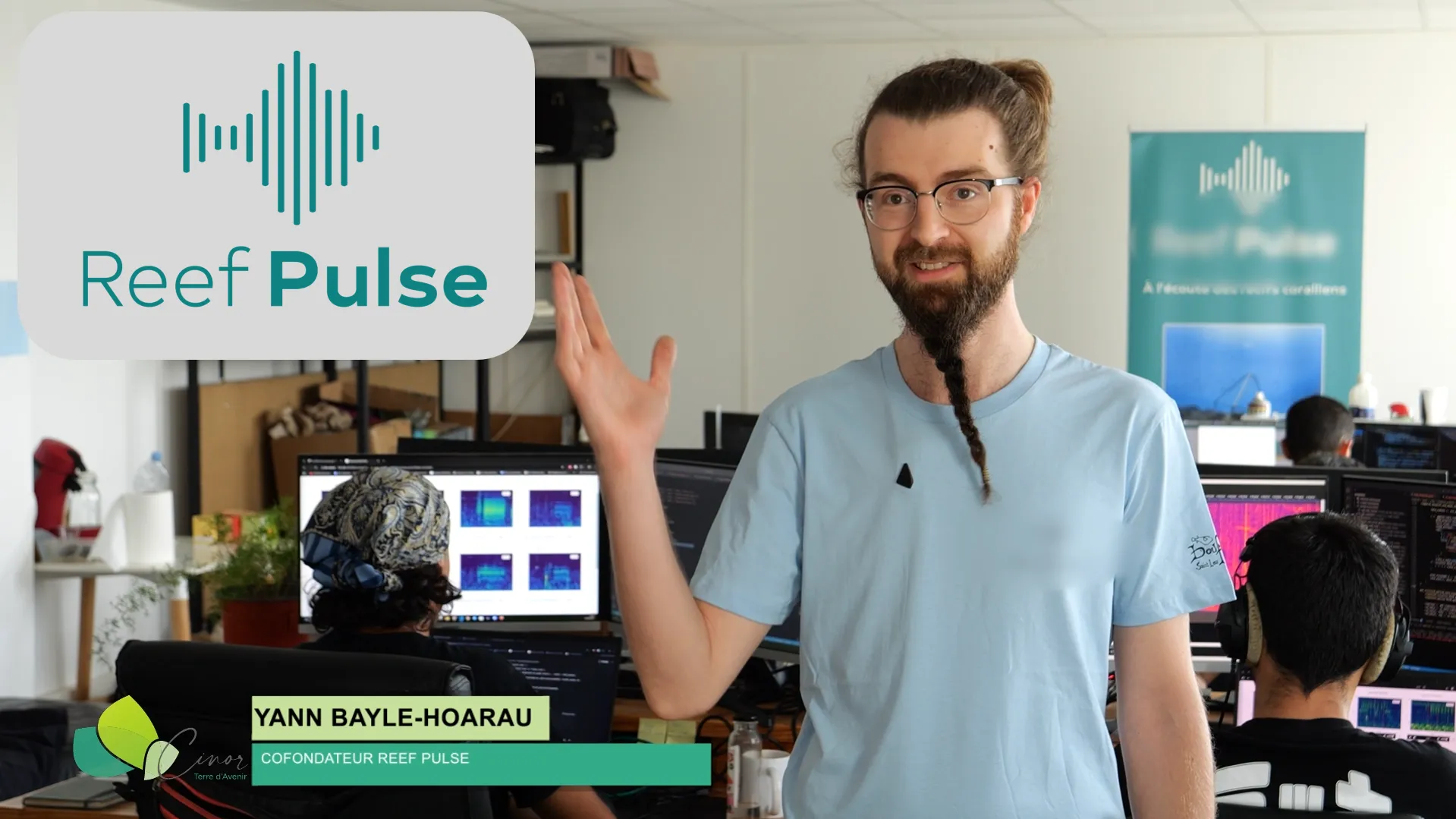
What are we up to at Reef Pulse? 🤔
📽️ Find out how we safeguard coral reefs using acoustics and AI in this video on Antenne Réunion
.📺 This footage has been made during the European Sustainable Development Week.
Post on LinkedIn, Instagram, and BlueSky.
On Wednesday 22nd september 2021, Reef Pulse was created with a mission: safeguard coral reefs globally using acoustics and AI. We now have years of recording in coral reefs around the world! We've also added a new mission: to help scaleup coral reef restoration efforts thanks to acoustics. And we've got some more news soon to come, so stay tune!
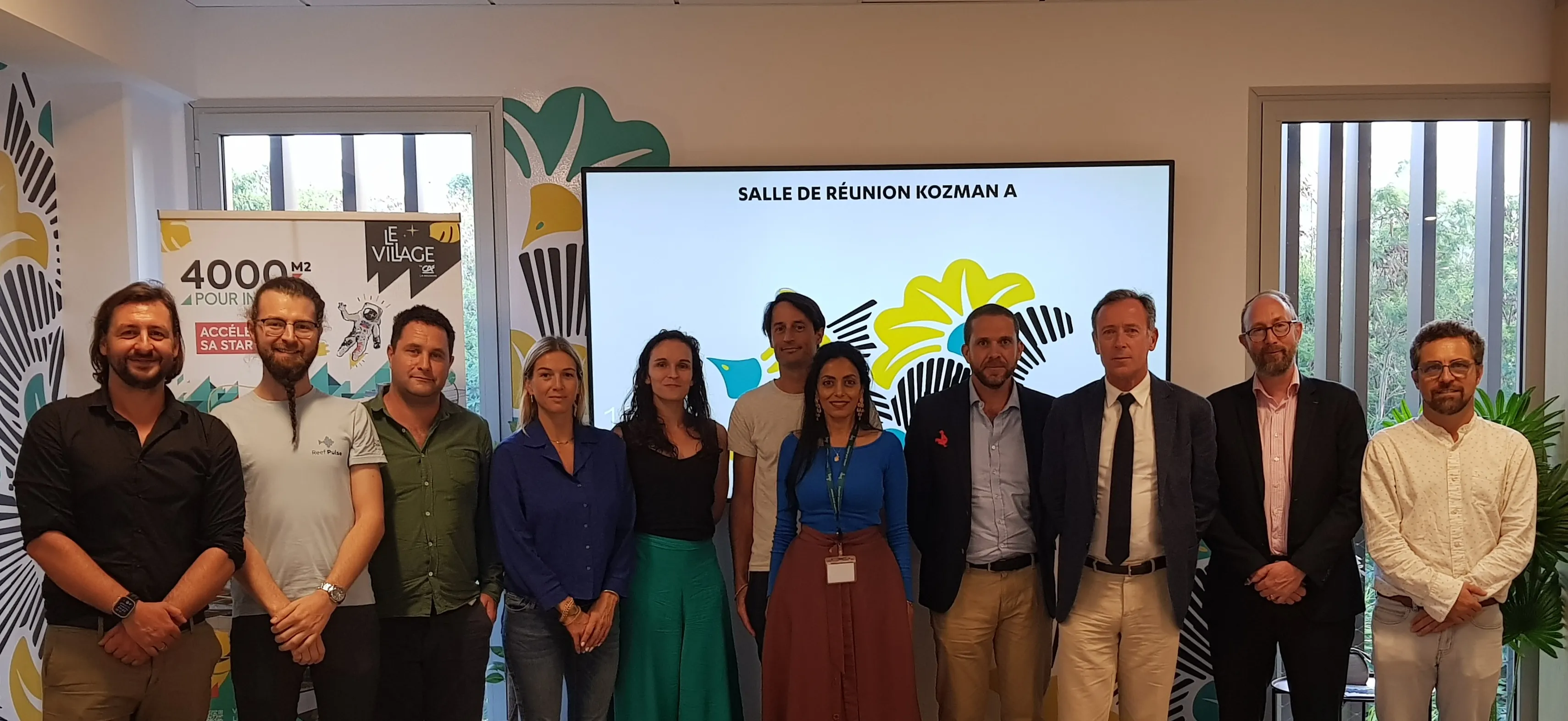
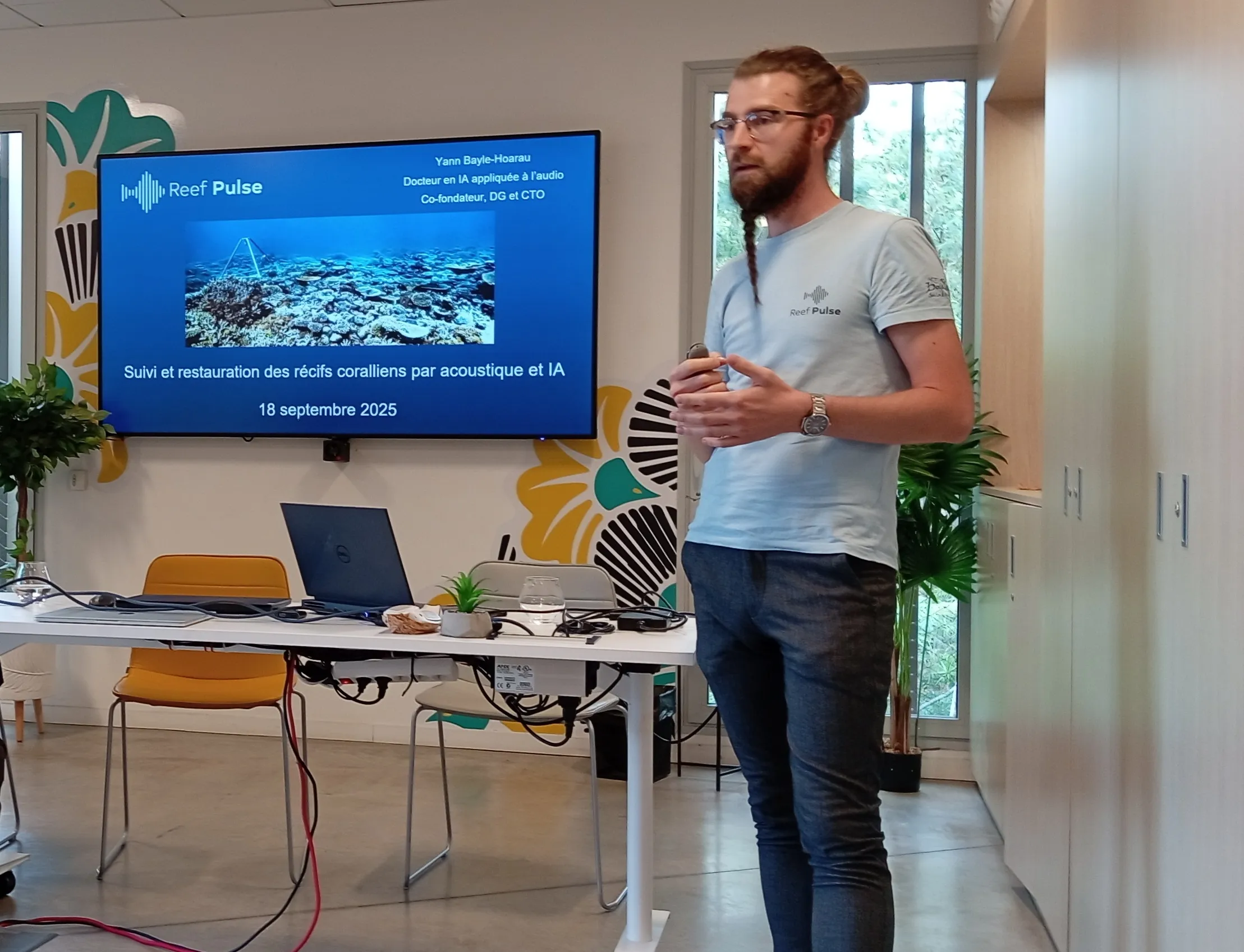
🌊 Meeting with the General Secretariat for the Sea – Prime Minister’s Office (SGMer), the French Maritime Cluster and La French Tech.
📆 On Thursday 18 September 2025, Yann Bayle, Reef Pulse's cofounder and CTO, had the pleasure of presenting Reef Pulse’s work in acoustics and AI dedicated to the monitoring and restoration of coral reefs.
🪸 He explained in detail how our environmental challenges resonate with political issues, with a view to ensuring that underwater acoustics is given greater consideration in legislation. To answer a frequently asked question: Reef Pulse is a DeepTech company, not a consultancy firm. Our innovations are indeed intended to help improve regulations on the protection of coral reefs.
🤝 Thank you to Elisabeth Peguillan for hosting him at Le Village by CA Réunion, where he met Xavier Ducept and François Colle from the General Secretariat for the Sea – Prime Minister’s Office (SGMer), Nathalie MERCIER-PERRIN, Alexandre LUCZKIEWICZ and Loïc Le Foulgoc (thanks for the group photo! 📸) from the French Maritime Cluster, Julie V. from La French Tech La Réunion, Florence Ecormier-Nocca (thanks for the photo of my presentation! 🖼️) from La Réunion Innovation, Séverine Nirlo and Raphaël Grollemund from the Réunion Region, and Yuna PUECH.
👏 Well done also to the other members of #BlueTech Réunion 🇷🇪 for their presentations:
➡️ Julien Dautel from FETCH INGENIERIE
➡️ Jean Turquet from CITEB
➡️ Alexis Cuvillier from CREOCEAN OCEAN INDIEN
Post on LinkedIn, Instagram, and BlueSky.